




Thematic Conference
As a part of supporting the policy-making process for enhancing livelihoods of the poor, Livelihoods India hosts thematic and policy retreats throughout the year to enable consistent engagement with stakeholders including policymakers, practitioners and other development organisations. A few themes on which thematic/policy retreats have been held include FPO Financing, Agri-Technology for Advancing Agriculture, Empowering Women in Agriculture and Impacting Livelihoods of the Ultra-Poor among others. This year, the round-the-year engagement will bring focus on the handloom sector, women’s economic empowerment, and urban livelihoods along with other themes.
Breaking The Glass Ceiling Investing in Women Led Enterprises
A growing body of evidence illustrates that advancing women’s economic empowerment has multiplier effects across the spectrum of development and is central to achieving gender equality. With an income of their own, women have increased status, can provide for their families, and become empowered in other parts of their lives as well, such as making decisions about education, housing, food choices, and medical care. Of course, harnessing the full potential of women can impact the national GDP too.
However women across India, especially those belonging to rural and disadvantaged communities, still cannot fully exercise their rights to decent work and full and productive employment. Unleashing the entrepreneurial spirit and leadership of women provides a unique opportunity to dismantle some of these barriers. Although women led or women focused enterprises are successful for the empowerment of women, they still face many limitations like significant barriers in relation to access to loans and credit; skills development; discrimination; and balancing familial and societal commitments.
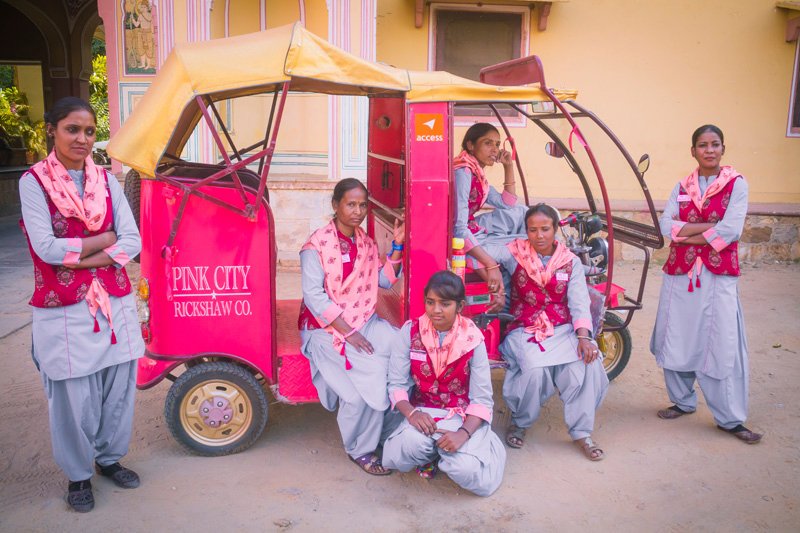
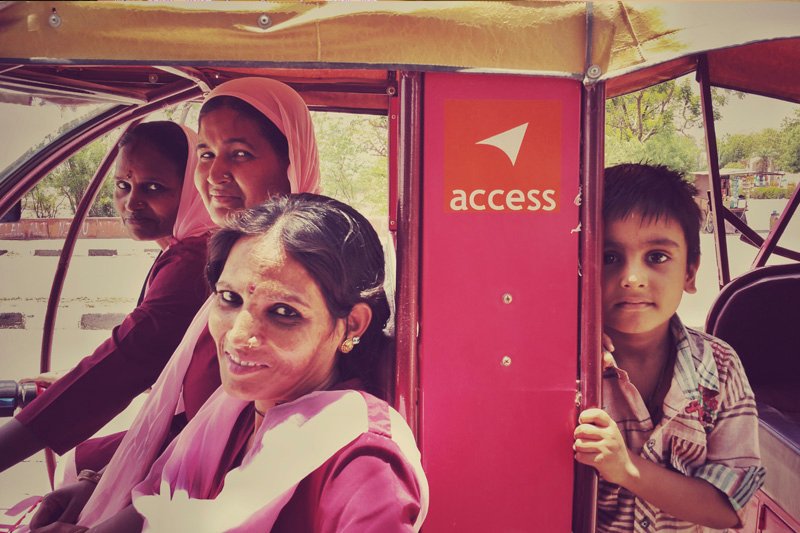

A growing body of evidence illustrates that advancing women’s economic empowerment has multiplier effects across the spectrum of development and is central to achieving gender equality. With an income of their own, women have increased status, can provide for their families, and become empowered in other parts of their lives as well, such as making decisions about education, housing, food choices, and medical care. Of course, harnessing the full potential of women can impact the national GDP too.
Colloquium On Handloom Sector
The handloom sector in India stands as a testament to the rich heritage and artistic diversity of the nation. Despite its cultural significance and potential to empower local artisans, the sector faces a myriad of challenges in the contemporary landscape. One of the primary hurdles is the competition posed by mass-produced, cheaper textiles, which often overshadow the uniqueness and craftsmanship of handwoven fabrics. This has led to a decline in demand and income for traditional weavers, pushing many of them towards alternative livelihoods. Along with this, inadequate infrastructure, limited access to credit, and a lack of modern design inputs have hindered the sector’s growth and global competitiveness. Recognizing these issues, there have been efforts to revitalize the handloom industry through government initiatives and collaborations with designers, aiming to infuse new life into this traditional art form and provide sustainable livelihoods to the artisans.
Amidst these challenges, there is a growing realization of the need to preserve and promote India’s handloom heritage. Individuals and organizations are working to bridge the gap between traditional craftsmanship and contemporary designs, making handloom products more appealing to modern consumers.
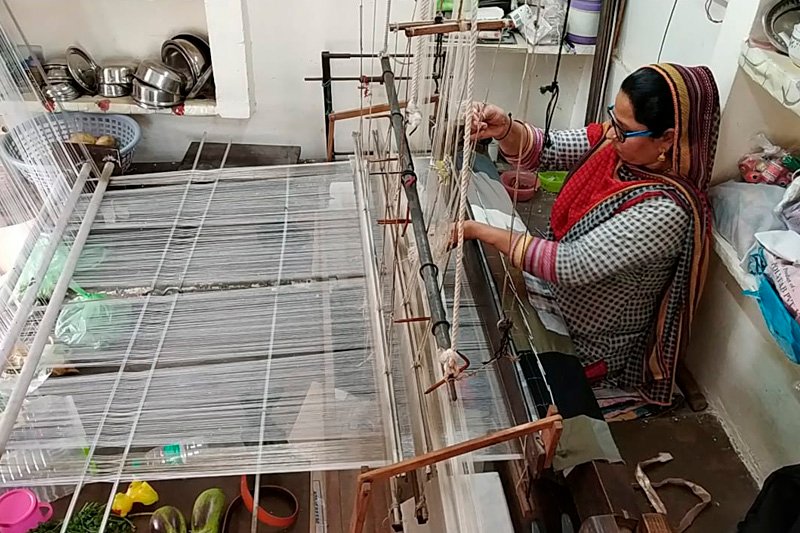
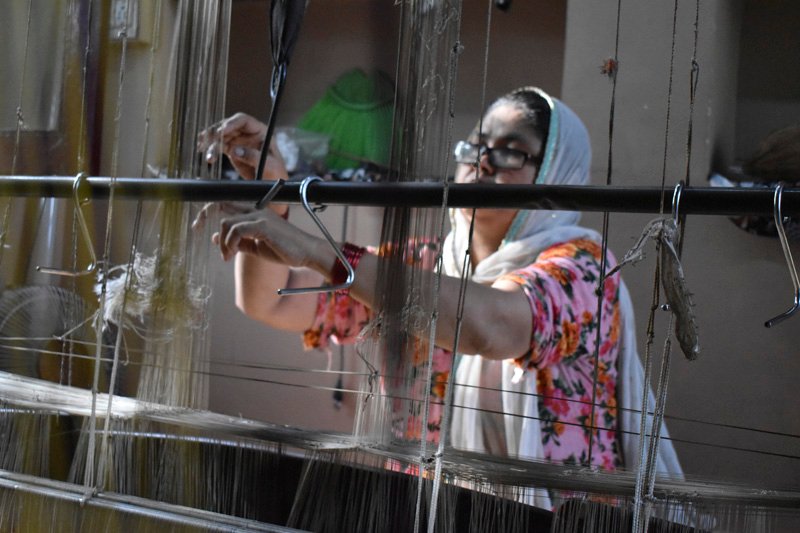
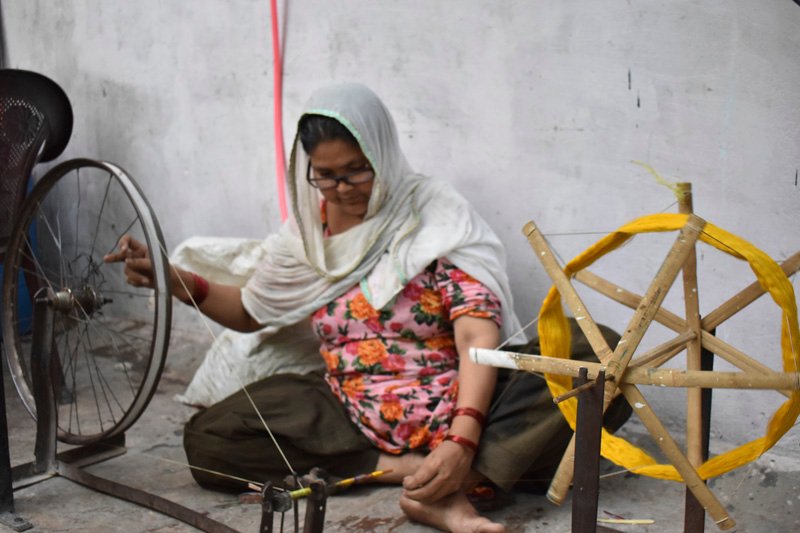
Additionally, the rise of e-commerce platforms and social media has provided a new avenue for artisans to showcase their creations to a wider audience, thus potentially expanding their customer base and increasing their incomes. The journey to secure the handloom sector’s future is an ongoing one, requires collaborative efforts from policymakers, designers, consumers, and artisans alike to overcome existing obstacles and ensure that this age-old craft continues to thrive in the face of evolving trends and global markets, the Living Looms of India – Colloquium on the Handloom Sector brought them together under a single platform.
AWE Through Sustainable Models
Aligned to the vision of Nari Shakti, as explicitly enunciated by our Hon’ble Prime Minister, the need to bridge the gaps in access to market, finance and skilling and reskilling opportunities for women and address gender-based constraints is crucial for advancing women’s labour force participation, enabling them to set up sustainable enterprises, and improving their contribution to the national GDP. With several efforts made to advance women’s entrepreneurship in recent years, this is perhaps a good time to engage in conversations to collectively work to support and strengthen ongoing efforts to integrate more women into the mainstream economic landscape for fostering inclusive and equitable growth.
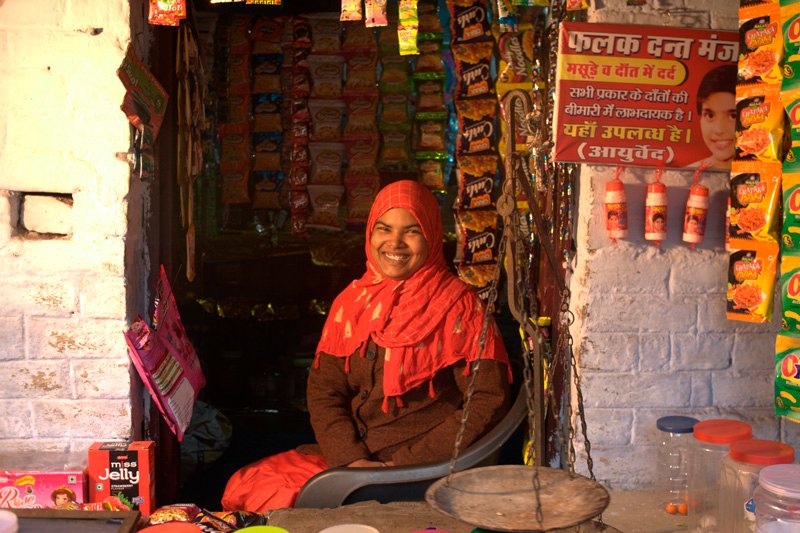
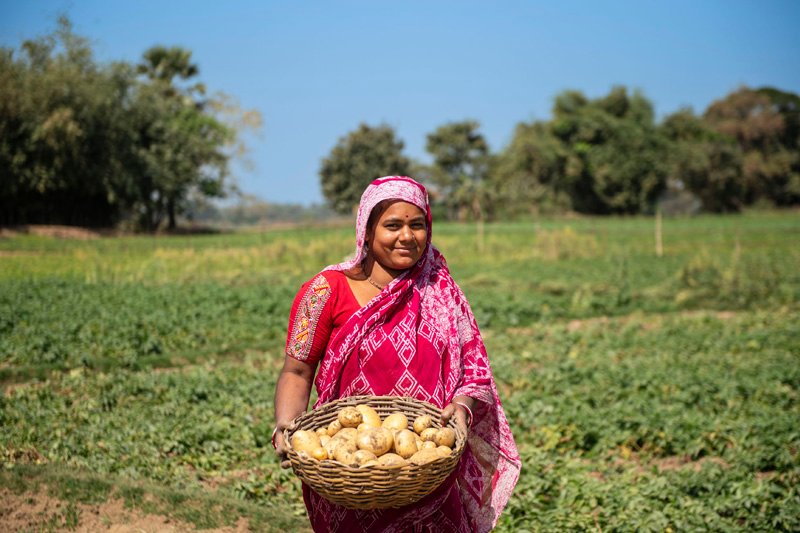
Roundtable – Unlocking the Potential of Non-farm Sector for Women’s Economic Empowerment
India’s employment landscape is at a defining moment. With agriculture offering diminishing potential for real-time job creation, the non-farm sector holds the key to future employment and livelihood opportunities. The Economic Survey 2023–24 highlights that India must generate nearly 78.5 lakh non-farm jobs annually until 2030 to meet the demands of its growing workforce, a goal that can be supported by promoting women’s economic empowerment. Integrating women into the economic mainstream is a significant opportunity to meet this goal, as articulated by the Hon’ble Prime Minister in his vision for women-led development and Viksit Bharat@2047.
However, achieving women’s economic empowerment and bridging the gender gap in workforce participation continues to remain a challenge. Despite comprising half the population, women contribute only 18% to GDP, and just 42% of women aged 15 and above are part of the workforce. In the MSME sector, which contributes almost 30% of national GDP, women own just 22% of enterprises – and over 92% of these operate informally, with low capitalisation and subsistence-level returns. Women-led enterprises continue to face systemic barriers, including limited access to finance, markets, quality training, and infrastructure.
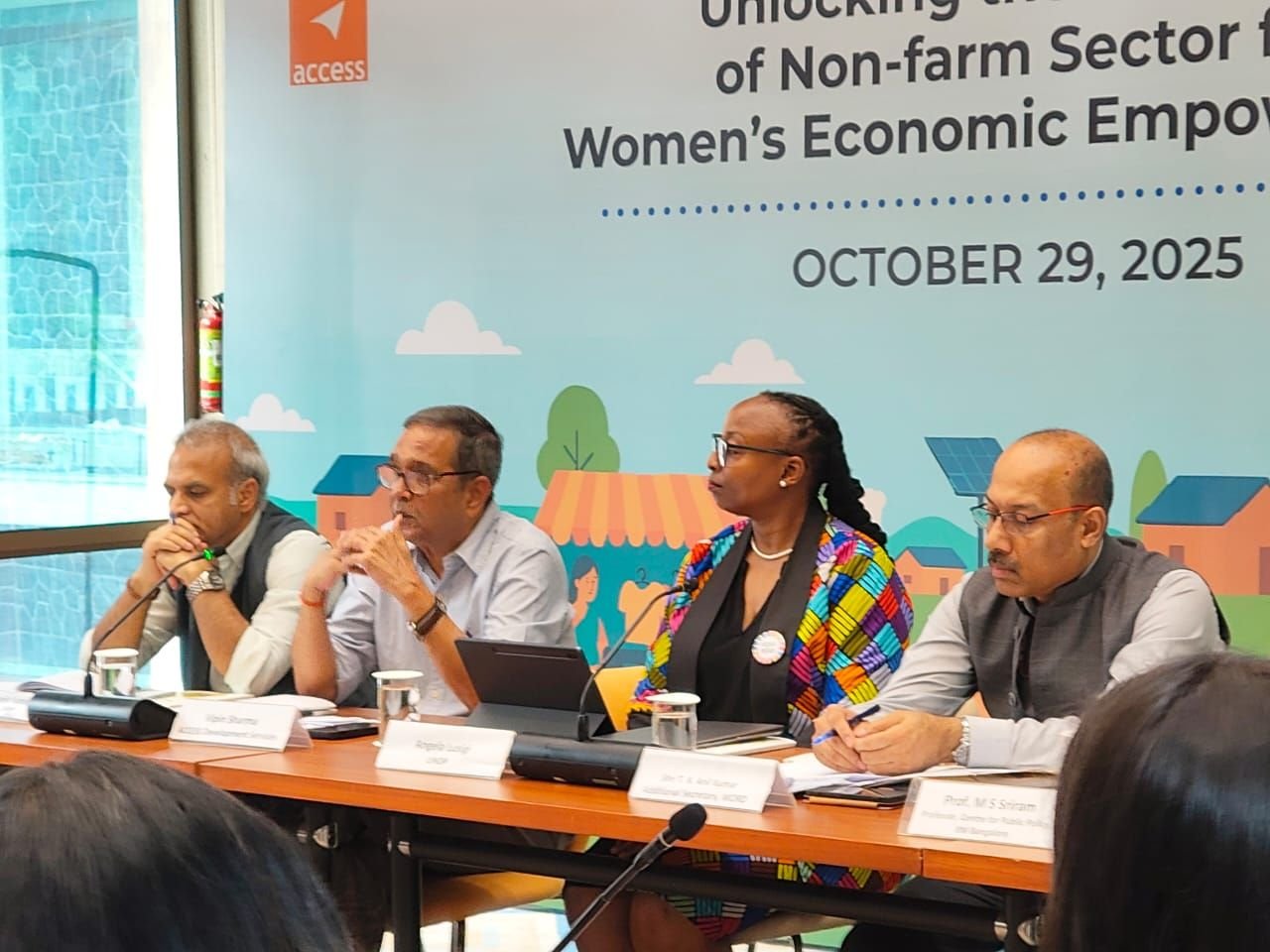
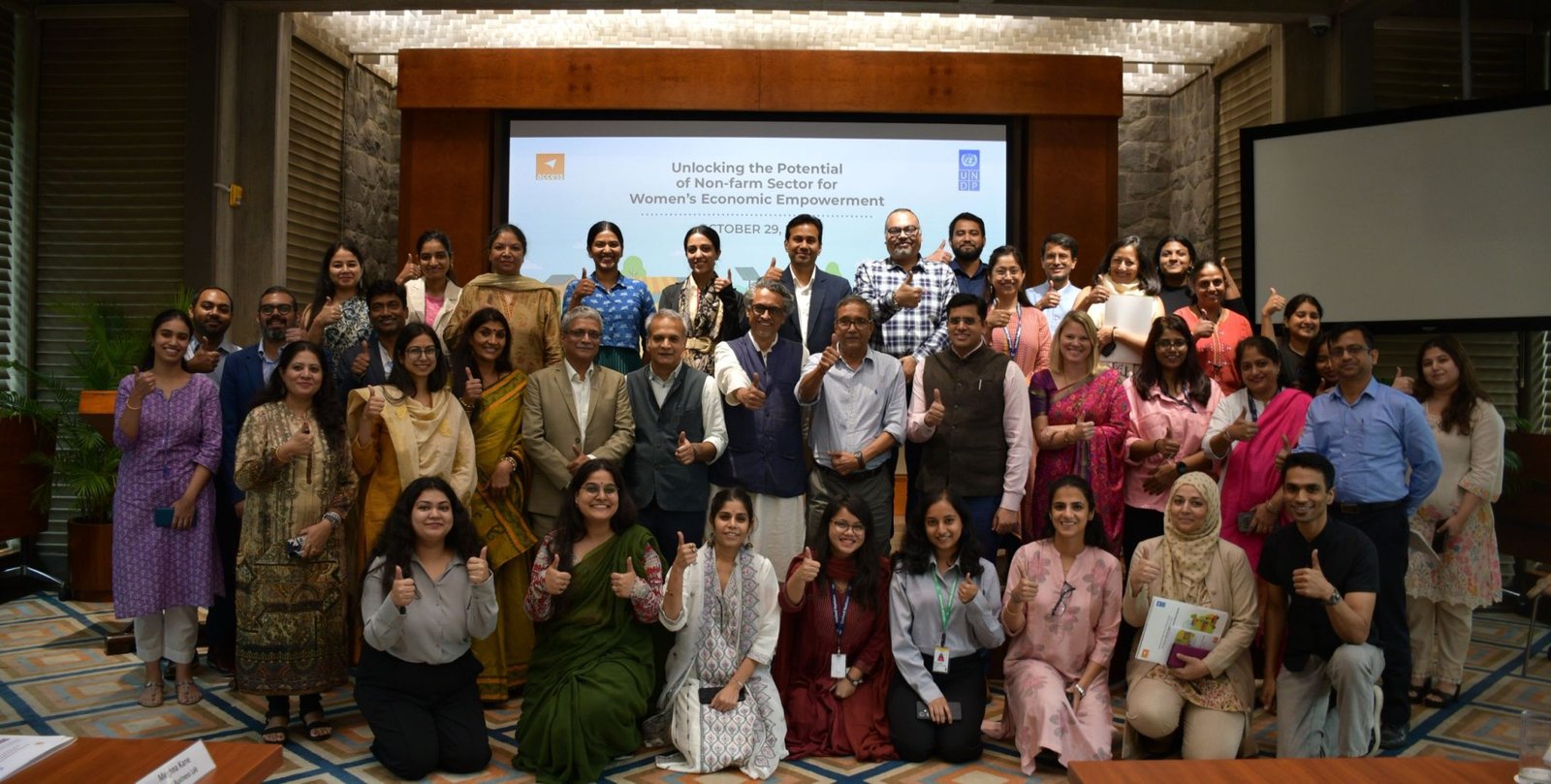
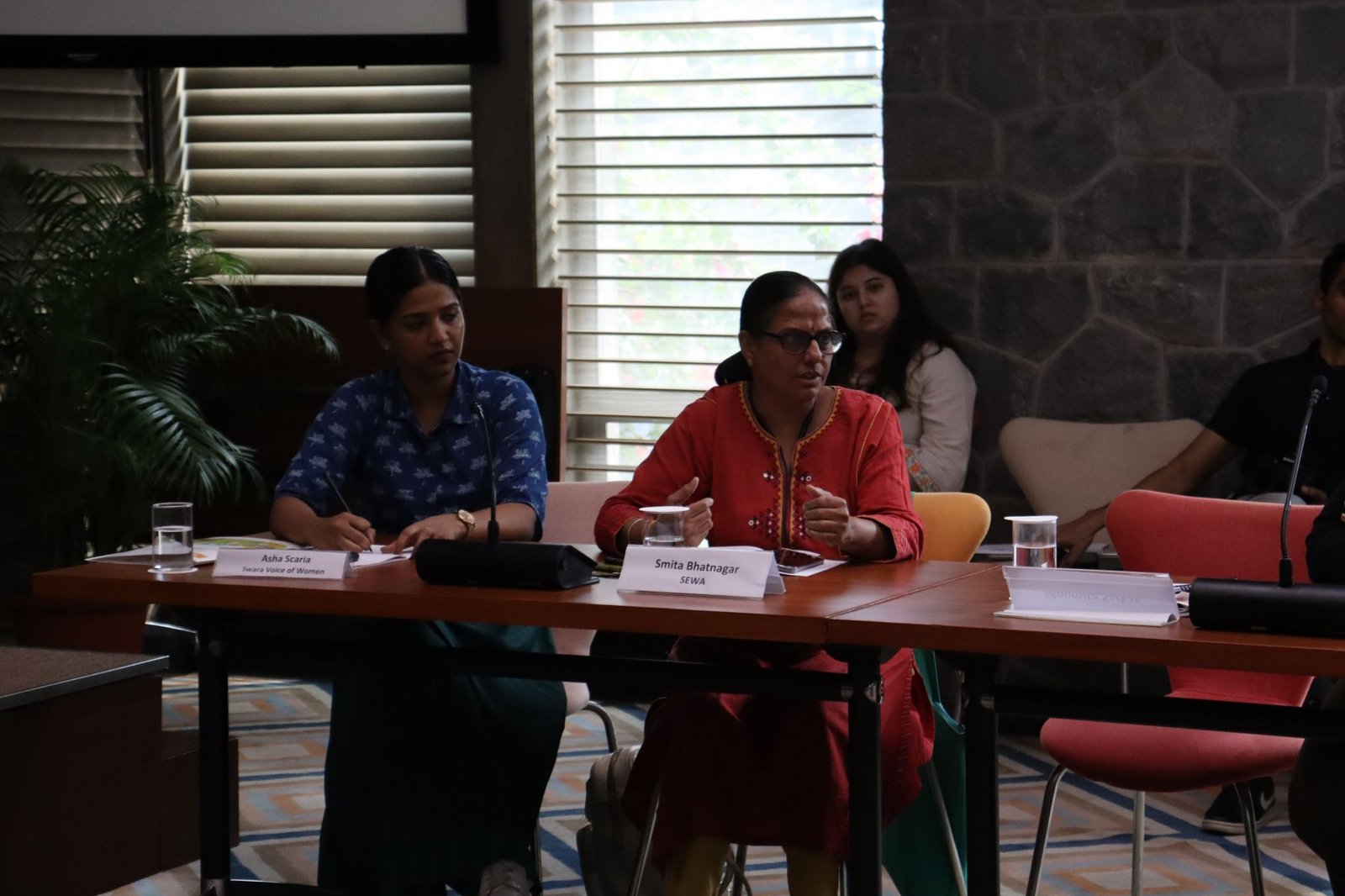

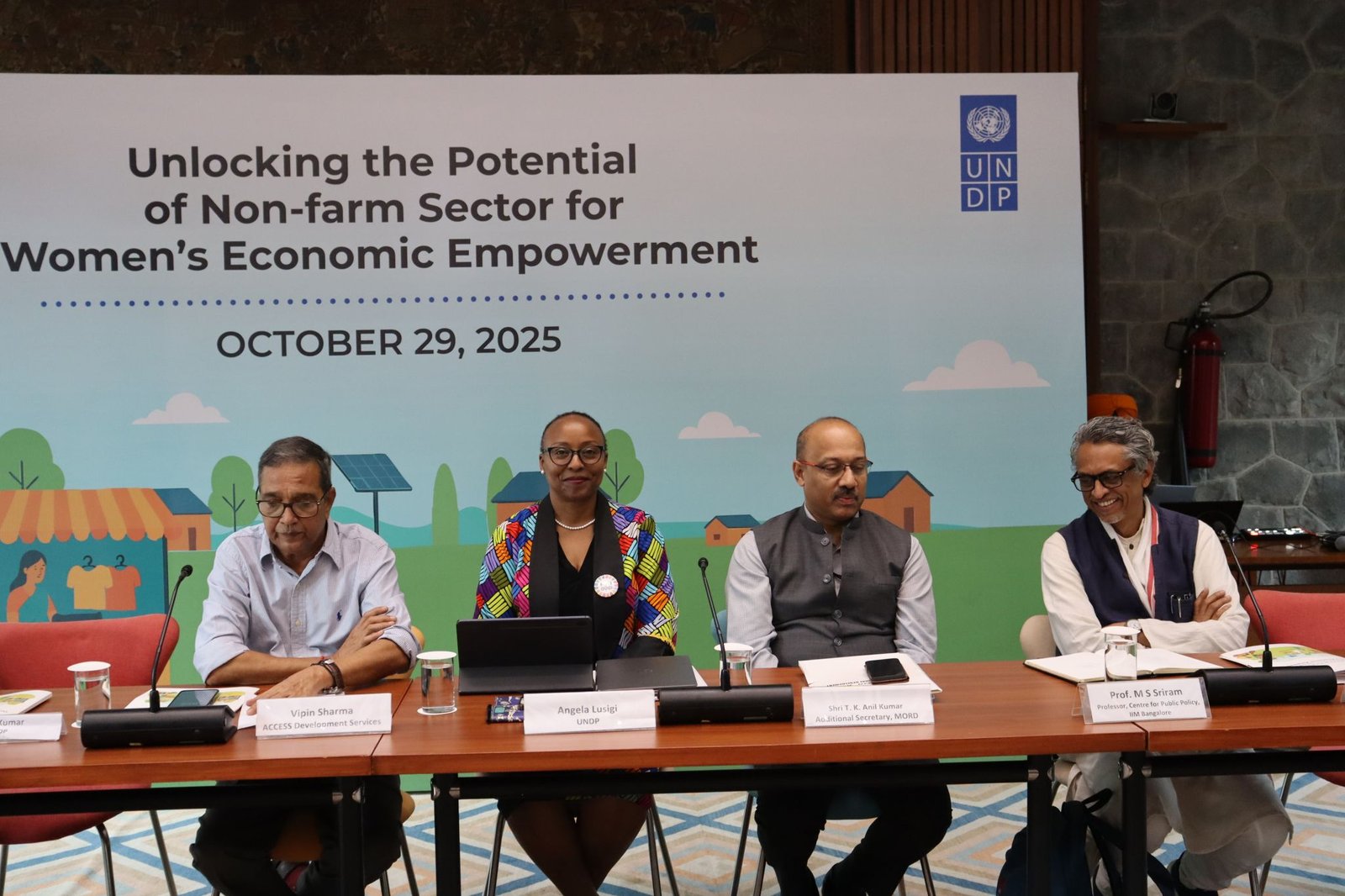

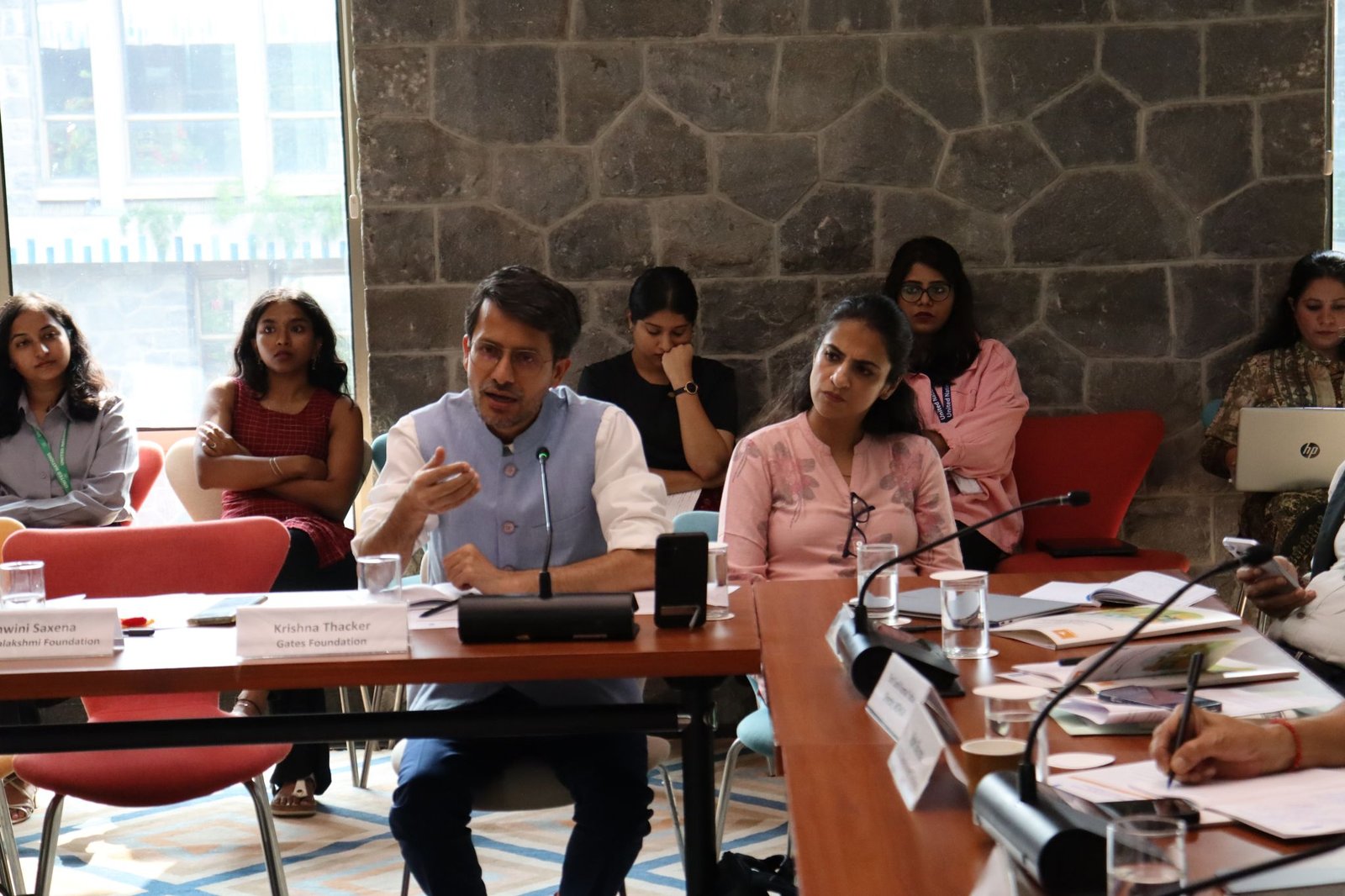
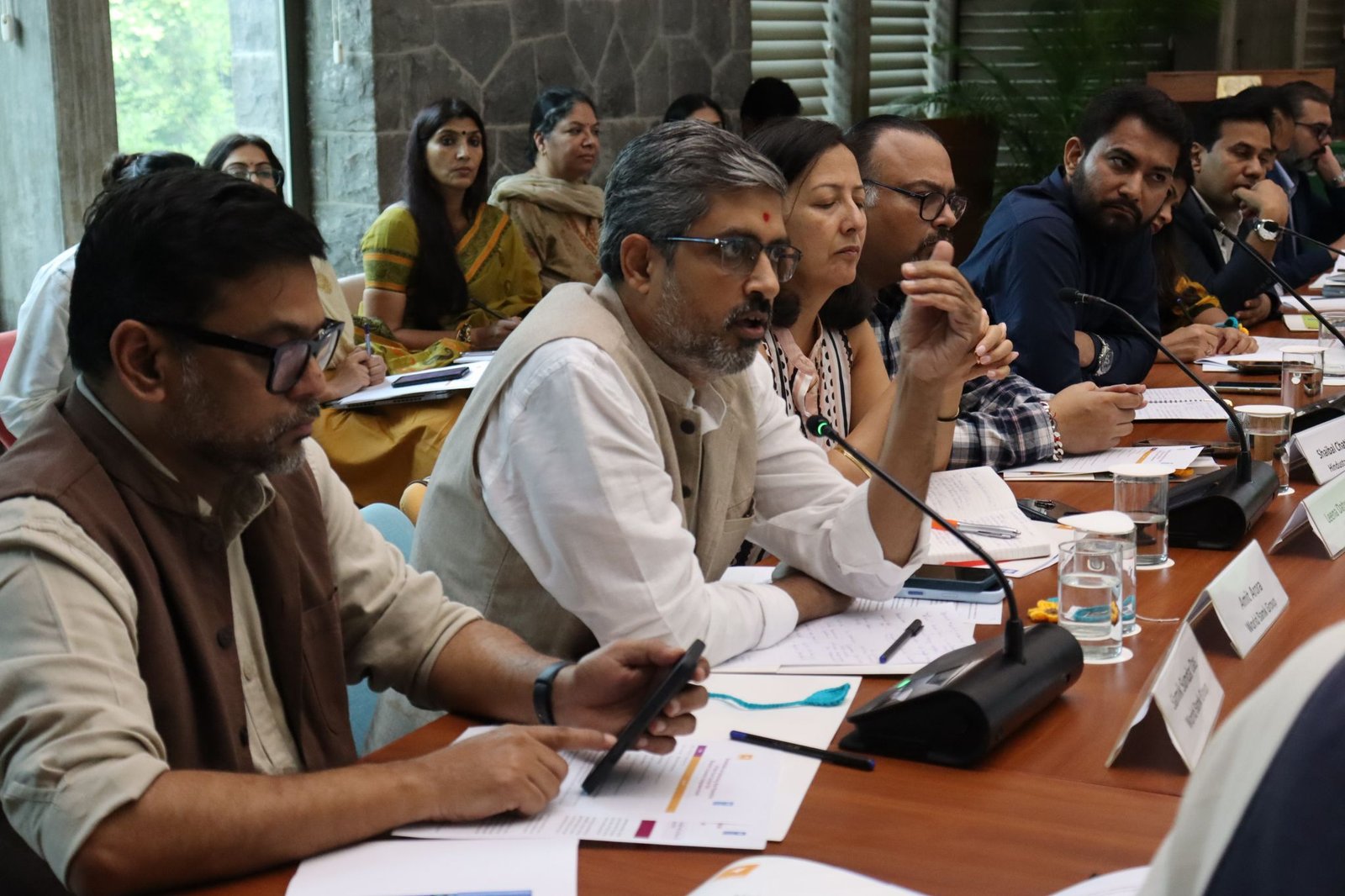
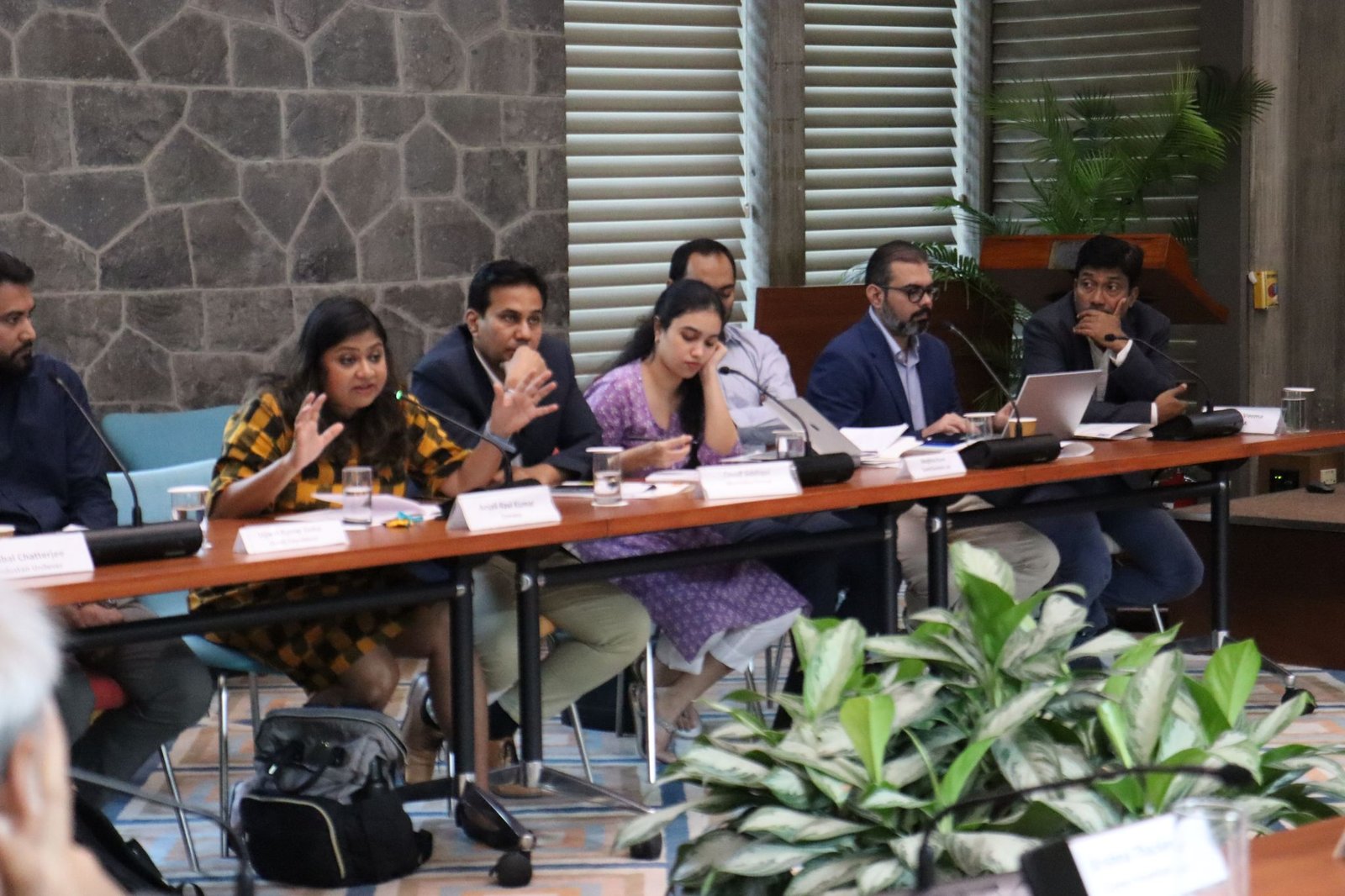
Recognizing these challenges, UNDP has been working to diversify and strengthen non-farm employment, with a strong focus on enhancing women’s participation. ACCESS Development Services also focuses its efforts on the non-farm sector with innovative programs for livelihoods promotion. Building on these efforts, UNDP in partnership with ACCESS convened a Thematic Roundtable on ‘Unlocking the Potential of the Non-Farm Sector for Women’s Economic Empowerment’.
The Roundtable sought to guide the formulation of a collaborative roadmap that will: enable women’s transition to formal non-farm employment and entrepreneurship, strengthen the supportive ecosystem for women’s sustainable economic participation, and foster strategic convergence among key stakeholders. The Roundtable built on recommendations of the 4th Conference of Chief Secretaries (2024), where the working group on Women’s Economic Empowerment identified three critical pillars – Entrepreneurship, Employment, and Skilling – and highlighted the need to integrate women into 16 key emerging sectors.