

Affiliations
Livelihoods India is one of flagship initiatives of ACCESS, which is the parent organisation working to provide inclusive and innovative livelihoods solutions and enabling the poor to overcome poverty and live with dignity.
In 2008 and 2009, ACCESS ASSIST and Ode to Earth were respectively spun off as specialized affiliate entities of ACCESS. ASSIST focuses specifically on various microfinance technical services as well as microfinance projects. Inclusive Finance India is another unique platform devised to work with financial inclusion value chain and help in building a unified vision for achieving universal financial inclusion in India. Ode to Earth provides market facilitation support to poor primary producers.
ACCESS was established as a section 25 (not for profit) Co. in March 2006, with support from DFID (Govt. of UK) to promote sustainable livelihoods of the poor. Over the last decade, ACCESS has gained recognition for incubating innovations in livelihoods that has helped to move the economic lot of the poor from subsistence to sustainable levels.
The ACCESS mandate emanates from the analysis that the poor continue to teeter on the brink of subsistence due to lack of access to resources, services, information, finance and markets. The lack of social capital further perpetuates their vulnerability. Several composite models in livelihoods strengthening have been developed by ACCESS to help the poor to overcome these vulnerabilities.
ACCESS seeks to promote “inclusive value chains” that help primary producers to better negotiate the marketplace and enable greater accrual of benefits for themselves from the value chain dynamics.
The core ACCESS strategy has been to organise the poor into formal institutional structures and help aggregate their subsistence surpluses and support them to integrate more advantageously in the marketplace.
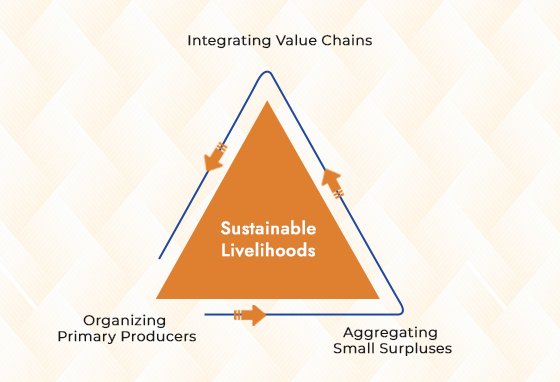

ACCESS is uniquely positioned to work at all levels within the development sector eco system. Unique to ACCESS is its Three Tier approach through which it seeks durable outcomes. Under Tier I, ACCESS implements a large no. of projects and programmes on the ground, developing community based institutions, incubating innovations and developing “lift and shift” models that can be replicated across contexts and regions, currently in nine states across the country. Through its Tier Two initiatives, ACCESS provides techno-managerial services to large programmes of the Government, bilateral and multi-lateral agencies, and builds capacity of capacity builders. At the national level, under Tier Three, the ACCESS effort is to help strengthen the enabling environment by bringing diverse stakeholders to vision for an organised growth of the sector and influencing and informing as also supporting policies.
ACCESS was conceived as an agency that would engage with communities and build their capacities and capabilities in a manner that would lead to their empowerment and integrate them into the economic mainstream milieu of the country. It’s Vision and Mission is as below:
Vision and Mission
Vision
ACCESS is the global partner of choice providing inclusive and innovative livelihood solutions enabling the poor to overcome poverty and live with dignity.
Mission
To build the capacity of community – based institutions that deliver relevant financial and livelihood development services to the poor and unreached households.
The ACCESS USP
Over the years, gaining from its experiences and given its strong professional team, ACCESS has developed certain core competencies, which it applies to its initiatives across the spectrum. Among others, a few areas in which ACCESS has demonstrated domain strength include:
- Ability to work at all levels of the sector
- Ability to work at scale
- Invest, incubate and strengthen community based institutions / models
- Support inclusive value chains, favouring primary producers
- Build local capacities (capacity building of capacity builders)
- Positioned as a gateway agency between the poor and the markets
- Develop "lift and shift" models
- Advisory & Techno-managerial
- Services & Building capacity of builders
- Subsector Interventions; building
- "Inclusive" Value Chains
- Identify and incubate innovation
Financial Inclusion is a powerful accelerator of economic progress that helps in combating extreme poverty and aids in bringing equality to the marginalized sections of society. Financial inclusion enables poor people to save and to borrow – allowing them to build their assets, to invest in education and livelihood opportunities, and thus to improve their quality of life.
Global Inclusive Finance is a global policy platform on Financial Inclusion with the objective of enabling cross-pollination of best practices and breakthroughs, specifically to influence India’s Financial Inclusion strategy and campaign. Global Inclusive Finance Summit with its legacy of more than 2 decades has provided substantial evidence, increased guidance and strong articulation for building a vision and a strong ecosystem with clearly defined roles for stakeholders and making key recommendations on financial inclusion policy, regulation, supervision, technology advancements, client protection and institutional framework. In the last couple of years, the Summit has broadened its ambit with larger themes related to financial inclusion being deliberated and delved into. The Summit is amongst the largest conglomeration of financial inclusion eco-system globally attracting over 1000 delegates from across the globe.
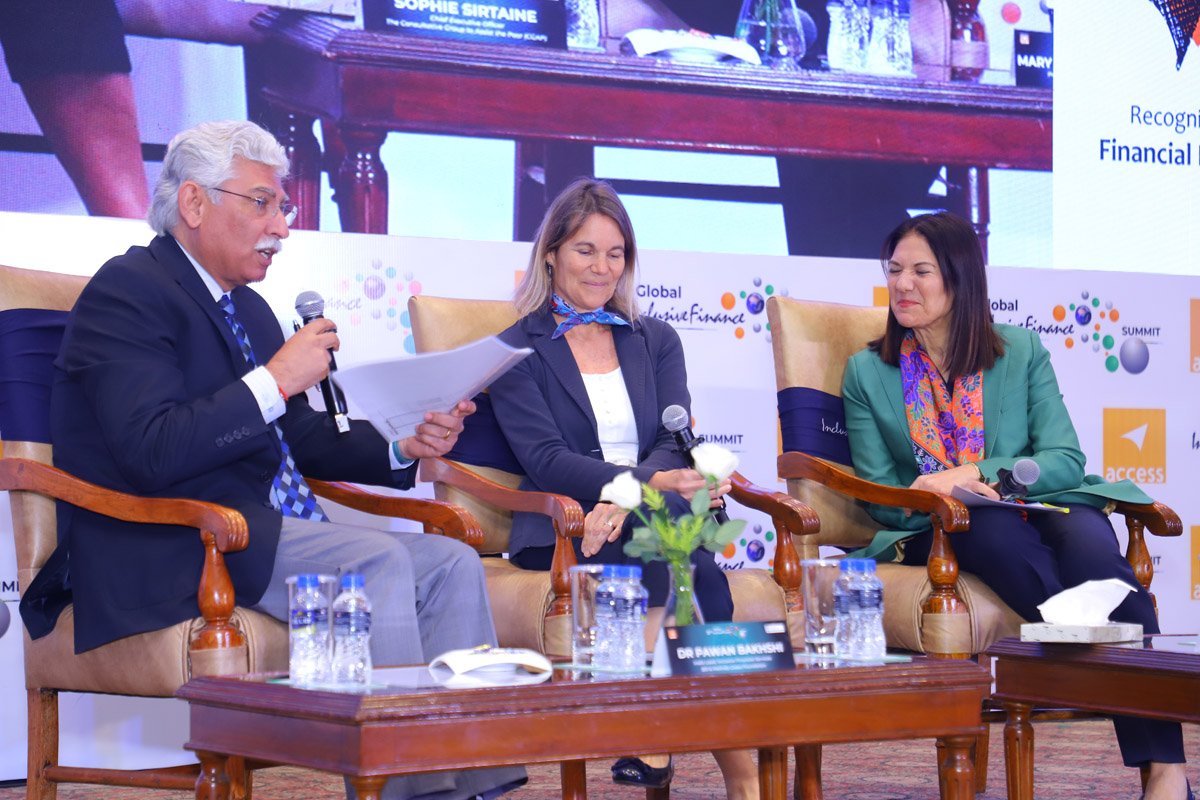
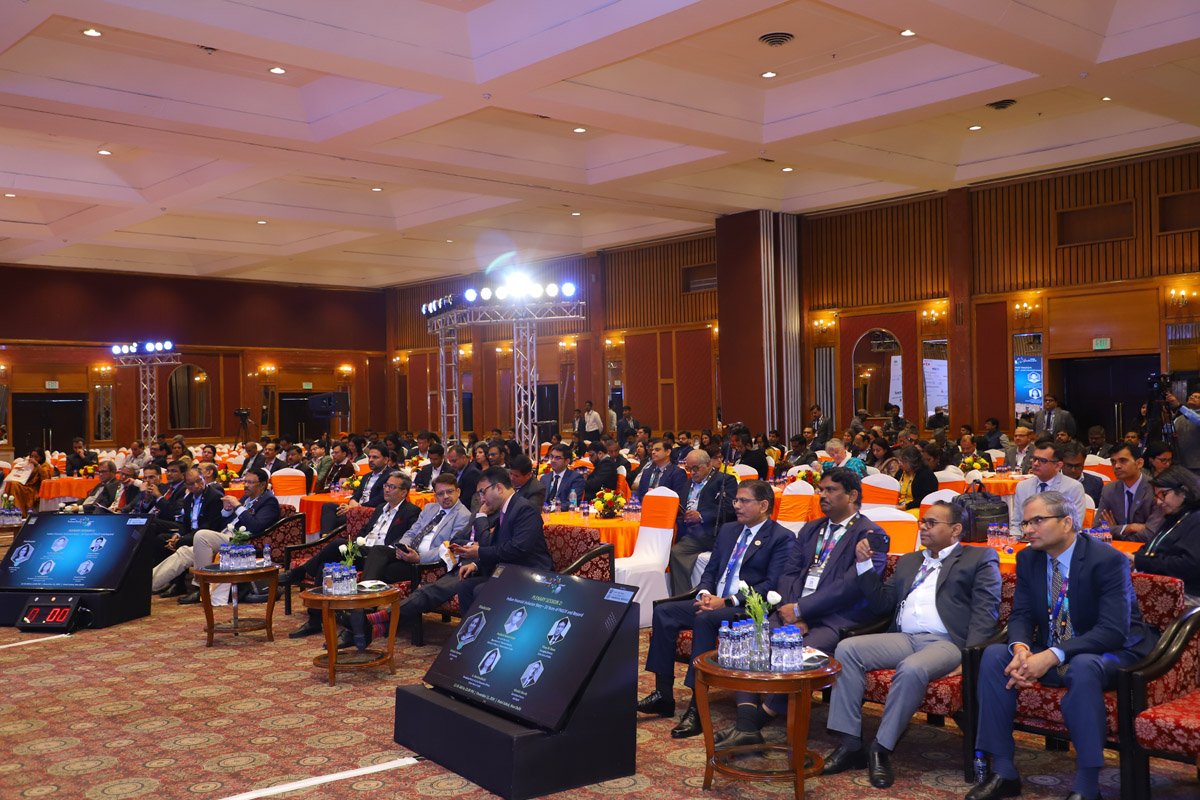
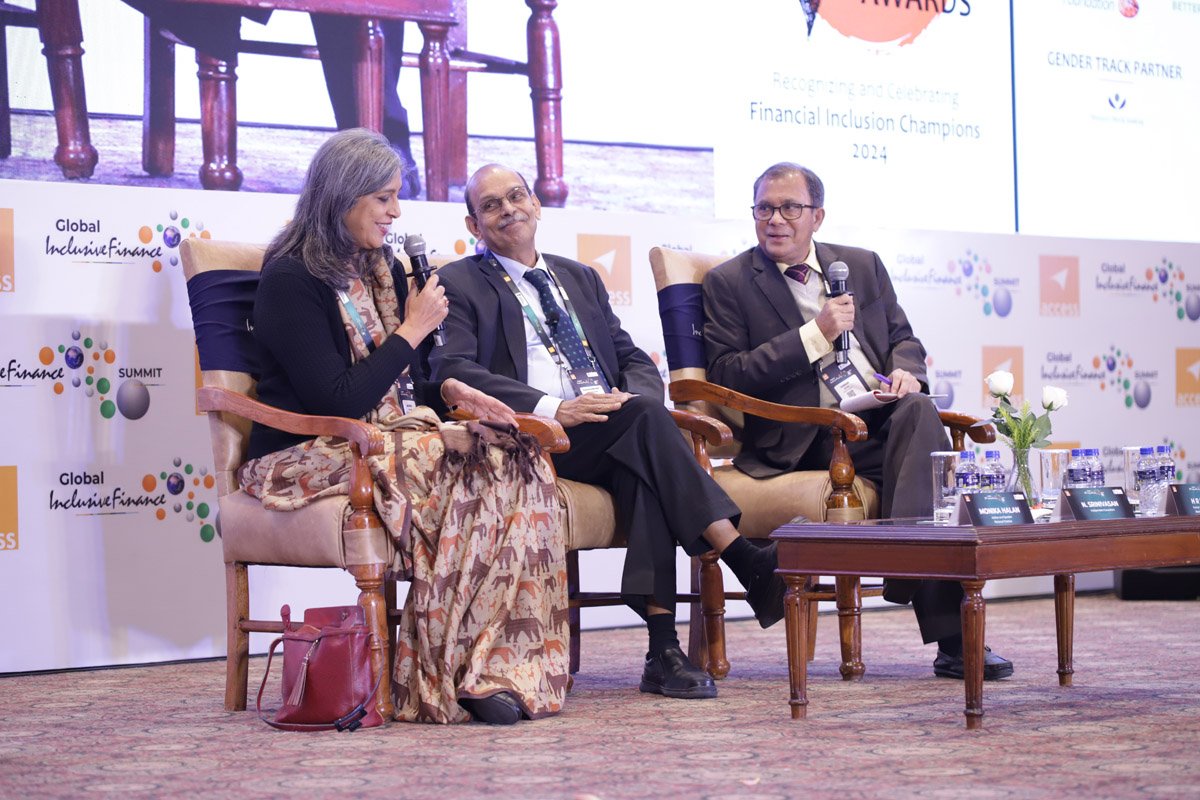
At the Summit, the flagship Global Inclusive Finance Report is released, providing insightful analysis and an honest critique of the financial inclusion progress during the course of the year. A host of associated events during the Summit are organized through policy retreats, issue specific workshops, roundtables and a Knowledge Fair which provides a platform to showcase a range of products, services and publications offered by various stakeholders.

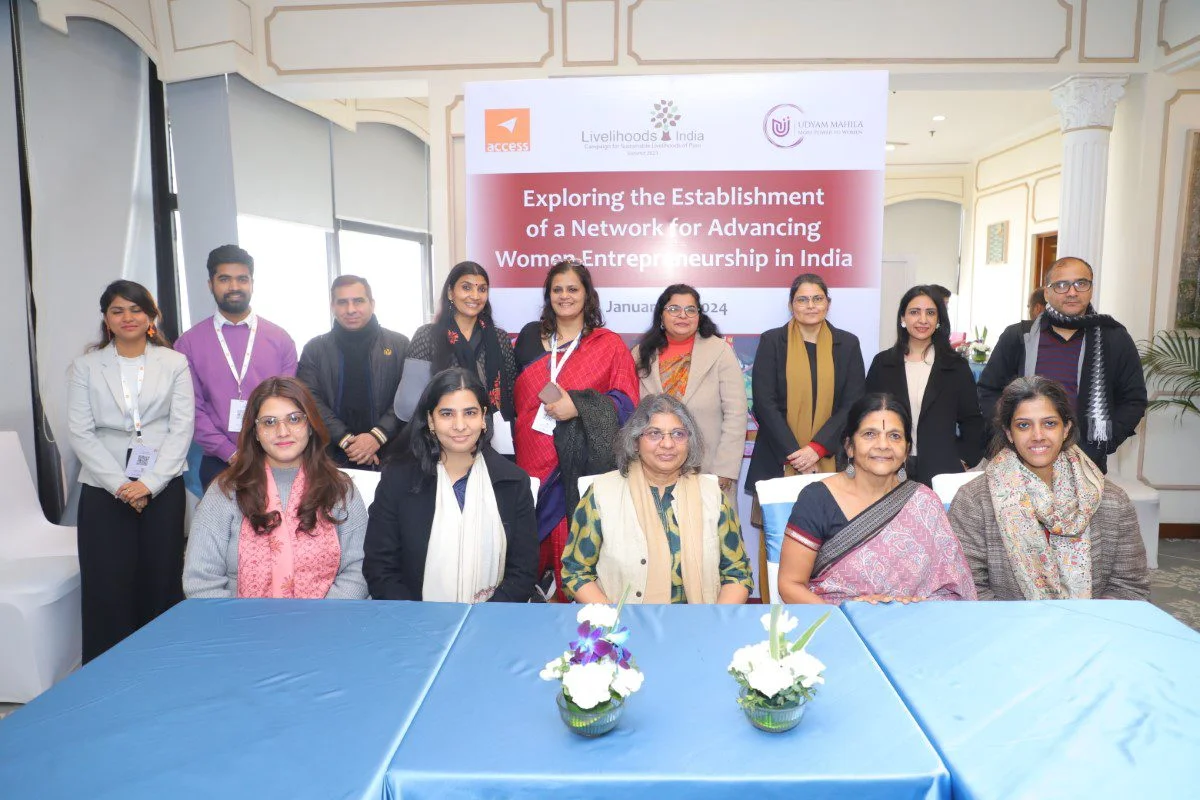
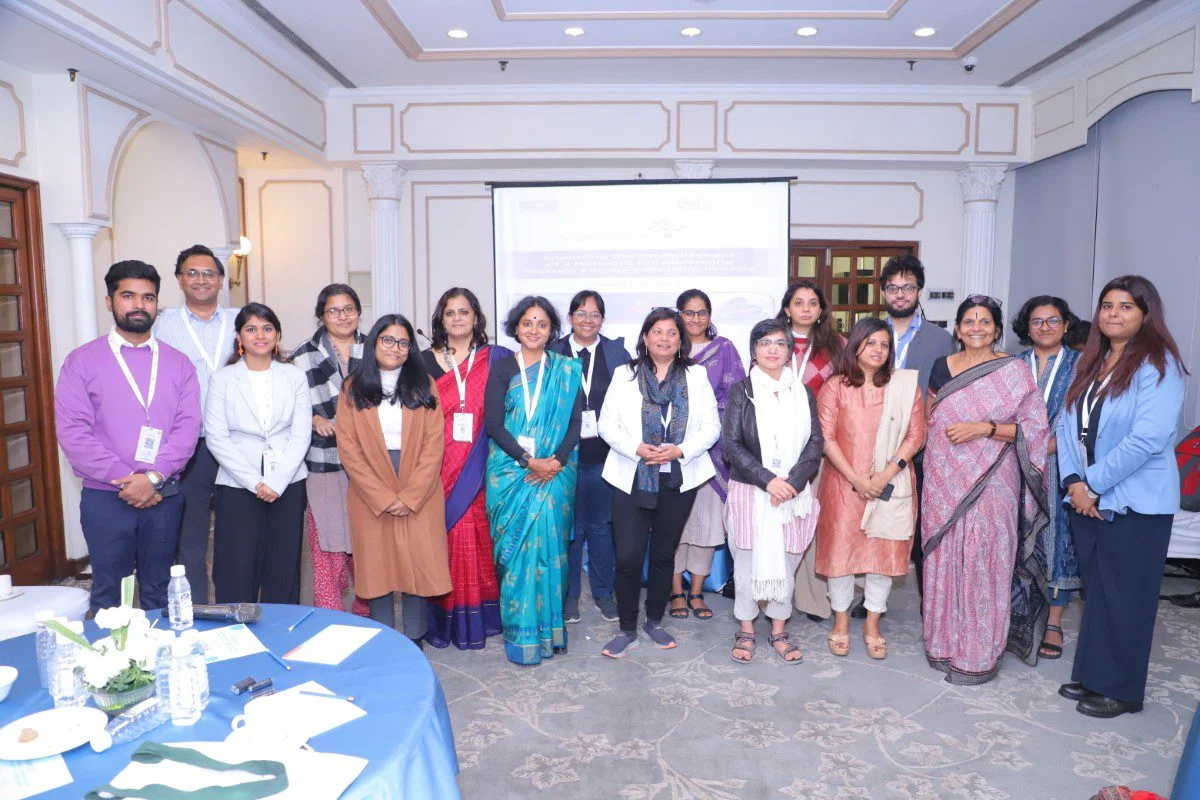
Udyam Mahila aims to engage with key stakeholders to push the agenda of greater female labour force participation and help create opportunities for women’s entrepreneurship. ACCESS will work with policymakers to set up a National Task Force for women entrepreneurship, develop an index to track progress in women enterprises, organise policy retreats, bring out related knowledge products.
Programme Focus :
- Campaigning for Increased Market Access by Women
- Stakeholders’ Convergence; Supporting Policy
- Building Financial & Digital Inclusion Awareness